
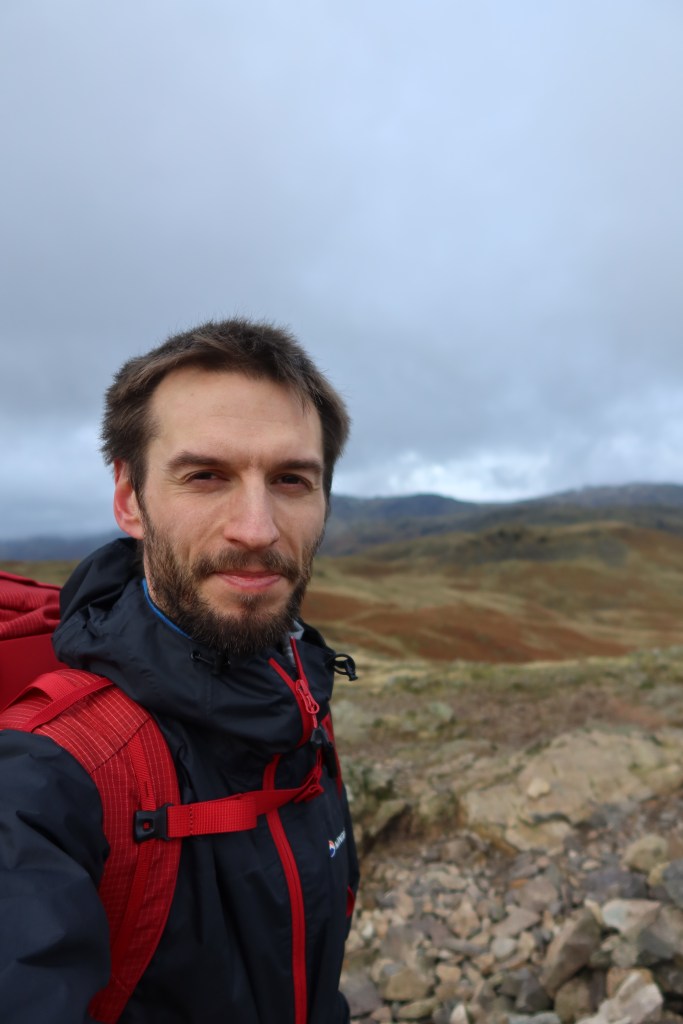
Creating long term sustainable career change requires two things. The first is having the clearest aim possible (note that I don’t say ‘a clear aim’ – the wording is specific and allows for change over time) and the second is the willpower/motivation to use every scrap of spare time possible to make it a reality.
In my case, I know that I want to create a company appealing to two different audiences. One of them is the MT community, people who are working towards outdoor qualifications in hiking. The other is interested and keen hikers looking for outdoor solutions to problems which they might encounter. Anything from kit questions through to reliable advice about a classic walk. To achieve this aim, I have a plan in mind which I adjust frequently as I gain more experience.
But there’s a problem – how to use your spare time wisely? What to do with that precious weekend out of the office?
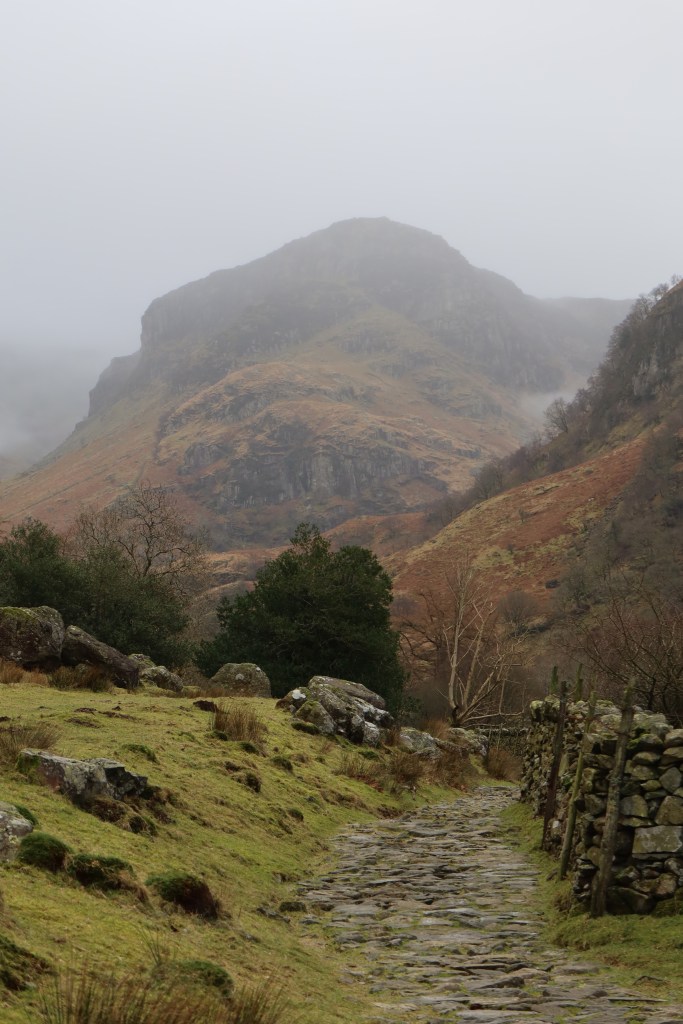
In my opinion, a really good Mountain Leader (or any other type of hiking leader) needs to be two things: be very experienced in the area they wish to lead and teach and be professionally current (regular training courses and CPD updates etc). This is the minimum. The area experience could be summarised as follows: if you had to lead some clients on a classic walk and the conditions suggested a different itinerary for the day how comfortable would you feel about knowing alternative routes? How do you feel about ‘showing off’ the office in terms of history, geology, flora etc? It takes many days of experience to build up to a Quality Mountain Day. But that’s another future blog post by itself!
But you need to understand things from the client’s perspective too. Your clients may expect you to have done all the classic walks in Britain (Three Peaks, Snowdon Horseshoe, Kinder Scout etc) and will probably ask questions about these routes. Spending time on the classic circuits is time very well spent. In many ways, an ML needs to have a client mindset and a leader mindset on each day out.
Here’s a recent example of my last weekend, to demonstrate how you could use your free time…
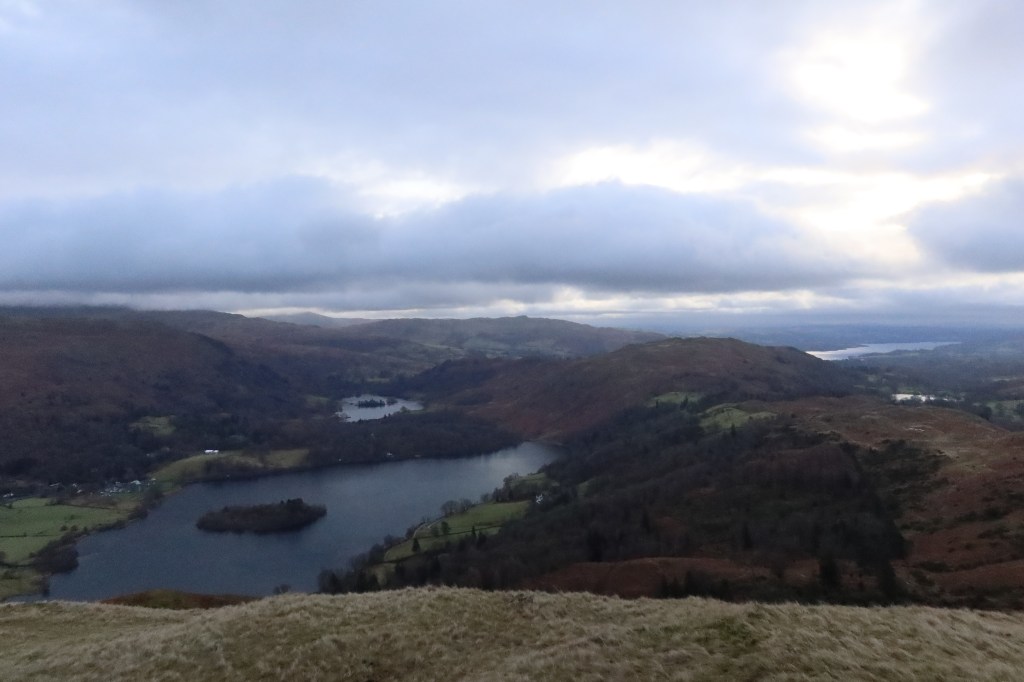
Firstly, I booked the time out in my diary well in advance so that nothing else would take my free time. I then booked a youth hostel in Borrowdale, an area I don’t know very well. I wanted one day (Saturday) exploring somewhere new and Sunday being a ‘client’.
For my personal day, I hiked up three Wainwrights I had never done, practicing navigation skills as I journeyed. I did not record these as Quality Mountain Days as they were my first trips to those mountains. I was basing my adventures on a guidebook, and had planned to walk two routes from the same base on the same day. This went really well.
The second day was conducting a book review from Cicerone Press. I was following the guidebook route as a client might, and understanding what was important to them (great views, short walks, summit hit). I think it only took me three hours but it was as valuable as micro-navigating off path for a ring contour.
So don’t just aim for your logbook minimums and head for assessment – try to build up a really detailed knowledge base of the environment and the ‘client mindset’. The end results will be solid area knowledge to make fantastic experiences for future clients (the reason they pay you really) and the reassurance to your clients that you’ve not only completed the classic circuits but you’ve done more than the minimum days required to pass your leadership qualification. Here’s a challenge you can follow me doing in real time: to demonstrate the importance of keeping current, I’m going to go through the entire Mountain Leader Summer scheme again, showing how to max out those 40 days. Watch this space!
 leadforaliving.co.uk
Leave a comment