
As regular readers will know, I check the weather forecast on a Thursday evening to see what my weekend might look like. Sometimes it’s time to plan a sunrise shoot, sometimes it’s a walk for one of my guidebook projects. Other times it’s a Quality Day for one of the various awards I’m working towards.
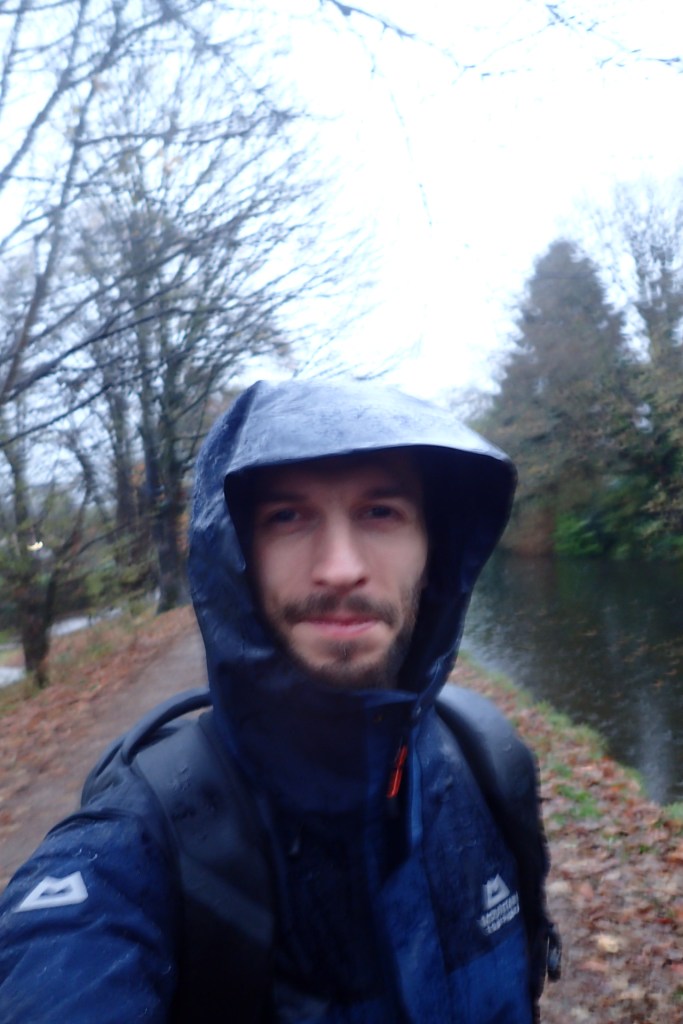
Other times it’s ”stay at home and read”. That was my decision on Thursday this week for a Saturday walk in the Peak District. On top of recent snowfall, the low temps had turned ground water to black ice, with accompanying forecast gale force winds at valley level and high risk of flooding. Great. Sounds lethal! Understanding this and managing it is a key skill. It directly influenced my decision to head to the Leeds Liverpool Canal instead for some soaking wet lowland fun. Picture below.
I am off to a workshop run by the Mountain Weather Information Service next weekend so I’m looking forward to learning more about how the forecast is put together and how to use the information in a more advanced way. Here’s where and when I currently draw the line, and above all why.
I use three weather forecasts for my walks, and how I use the information is different depending on if I’m on my own personal day or if I’m with groups. With my own day, I’ll have a cautious approach if I see symbols for high winds, ice, or flooding. I’ll then establish key points where I can turn round if needed, if I think going on would be too risky (high chance of accident and getting stranded). With a group, I’ll want to be much stricter and more decisive.
In group situations, I will clarify that if these symbols appear on the forecast on Thursday eve for the area we’re going then it’s cancelled. If the walk is in an area with a good Plan B (preferably indoors) then I’ll make it clear from the outset that this is an option if the weather symbols appear as I’ve described. Be clear from the outset that you’re not going to risk their safety. Respect the danger of tough weather!
You might wonder about cancelling something in advance – but think about it from a client’s perspective, particularly someone new to the outdoors and maybe a tad frightened about the appalling weather forecasts being shared on social media. They are unlikely to be very trusting of you if you don’t have a cut off point and might consider you to be a bit reckless. It’s totally okay to make a call to cancel and then the weather is fine. You were just making decisions based on experience and sometimes the wrong call is made. Better than heading out regardless and then needing Mountain Rescue to come out!
Wind and rain will massively impact on kit that has not been taken care of or waterproofed properly. It will in turn impact group morale and an individuals ability to take care of themselves. This will negatively impact decision making and self care habits. So what you end up with is a situation where the weather is horrible, people are not enjoying walking, it’s becoming a ‘battle against the elements’ and as a leader you are giving yourself a very hard time by having extra problems to manage that could have been avoided by simply saying ‘not today folks, let’s leave it and come back to enjoy it another time’. After all, a leader is supposed to make good decisions based on experience but also on genuine care for the group.
Your group might have travelled a long way to the start point, paid good money to be there, and fully expect an adventure. In which case, by all means start out, but have regular Key Decision Points and involve your group throughout.
There is one exception to all of this – attending a Mountain Training NGB course. You can fully expect some truly foul weather on an ML assessment, for example, and be expected to be able to deal with it. It is a good idea to go out for personal days in horrible weather just so you are confident you can take care of yourself. It will mean that days where the clients are finding it tough, are hopefully for you the sort of conditions that are just uncomfortable instead of unmanageable.
To conclude – there are times when weather is really bad but you should go out and enjoy it anyway. There are also times when it is so bad it is time to turn around or not even go at all. Developing your judgement on this in clear ways which are easy and reasonable to communicate to others is a key skill of becoming an outdoor leader.
 leadforaliving.co.uk
Leave a comment