Let’s face it, starting a qualification as an adult is a pretty big deal. There are many reasons for this: it costs a lot, takes a lot of time up you could be spending on other things, and there’s no guarantee at the other end you will get a return on your investment. So how can you put your mind at ease and make the decision to commit?
I’ve just started working towards the Lowland Leader Award offered by Mountain Training. Technically I don’t need to as I already hold a qualification called ‘Mountain Leader Summer’ which qualifies me on most occasions to take groups out. Why bother with another? It’s a good idea to think of a qualification in three different ways – as an impression, a chance to formally gain new skills/knowledge, and a future employment opportunity. I often think of them as a form of currency which you can never fully spend, because most of them stay with you for life. Cash them in however you like.
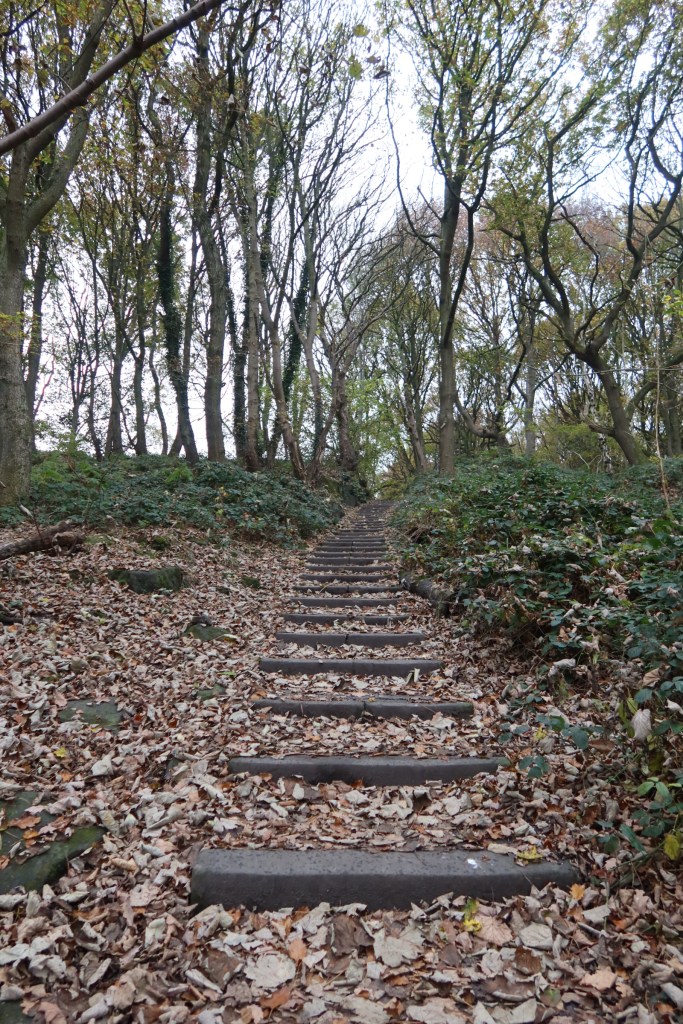
The trick to getting the most out of your qualification is to prepare thoroughly. Your aim should be that whatever training you do before you are assessed should help you make a fairly quick and smooth progression on to further qualifications should you choose to. Another aim should be that you are familiar with the kind of work you could be doing. For me, that is training and assessing Bronze DofE groups for different companies. Therefore I need, while training, to work out which local companies offer that kind of work and where they take their groups so I can recce the routes. That way I’ll be prepared.
For example, I have booked a training course for the Lowland Leader next month. I’m very excited for the course but I want to attend it with some key questions for their training team that I can’t find out by myself. You should aim to really max out whoever your teachers are and make use of their experience and advice. You are paying for that after all! I have the questions ready and I’ve done my homework on who they are, where they operate, and the best maps to take with me. I am keen to make a solid impression from the start.
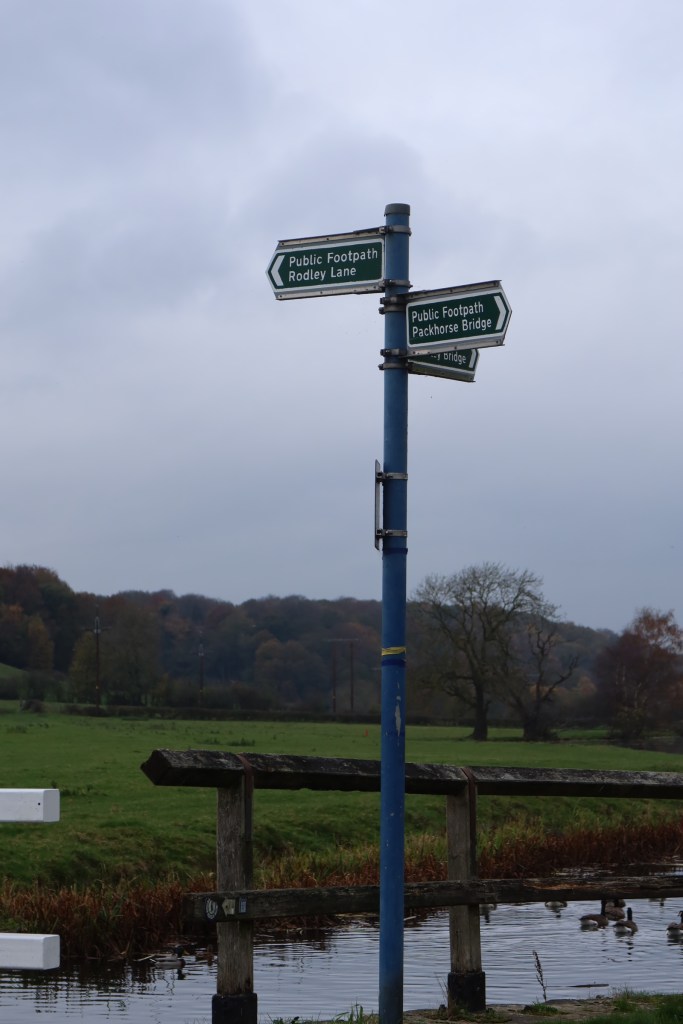
Get some really detailed, long days out. I have recently completed another Quality Lowland Day (next weeks’ blog) and managed to pack in geology, ecology, archaeology, navigation, plus photography and filming into one trail. It took me about 7 and a half hours, and I only really stopped for a total of about 15 minutes the whole day. I was walking pretty much constantly. You need to develop your fitness to a point where you are in no doubt you can keep up with your clients, and your knowledge to a point where you can make a professional impression that you have really done your homework for the area.
One of my final points, and this is a bit obvious really. Read the handbook for the qualification and any material online! Mountain Training have done a good job of putting material together for this purpose, and they also have one for the trainers and assessors to look at if you want a cheeky peek at what sort of judgements and decisions they may have to make.
If you follow through with all of these points, then you will stand a very good chance of passing your training course, or at least getting a deferral for something specific. You will then have a very good knowledge of your employment options and even, if you’re really organised, have some contacts to call/email the day after you qualify to discuss work opportunities. After all, the last thing you want is to pass your assessment and then realise you have no idea who to contact! This could lead to delays in using your skills and along with this a challenge in keeping your morale up.
If your key concern is time, then be efficient with whatever time you have to use. I personally go out for a minimum of 7 hours for each of my Quality Days. I treat it like a day at work in an office. This ensures you have a very high quality knowledge of the area and a solid skill base to work with. You will make many mistakes and learn from them.
If your key concern is money then pause for a second. You have two options. One is to think hard about what sort of skills and knowledge you can build up within a days’ walk of your doorstep. This will significantly reduce the cost. Secondly, have a think about why some outdoor leaders have year round work and how much you would be prepared to pay for the services of someone who was really good at their job. What would it look like to be a good instructor? Whatever that image is, analyse what you need to do to fill the gap between where you currently are and where you would like to be. In my experience, the best instructors always have busy diaries for at least a couple of months ahead and they are keen to constantly develop themselves. They keep on learning and reflecting on their work. If you do a job really well as a freelancer, you are very likely to make it to the top of their list of instructors to call whenever work comes in. If you do your job really well with your own company you will gain reputation through word of mouth as well as via your own marketing. Having a qualification, or a whole series of different ones, can really help new customers decide that they are in safe hands with you.
Good luck with your next qualifications!
 leadforaliving.co.uk
Leave a comment