
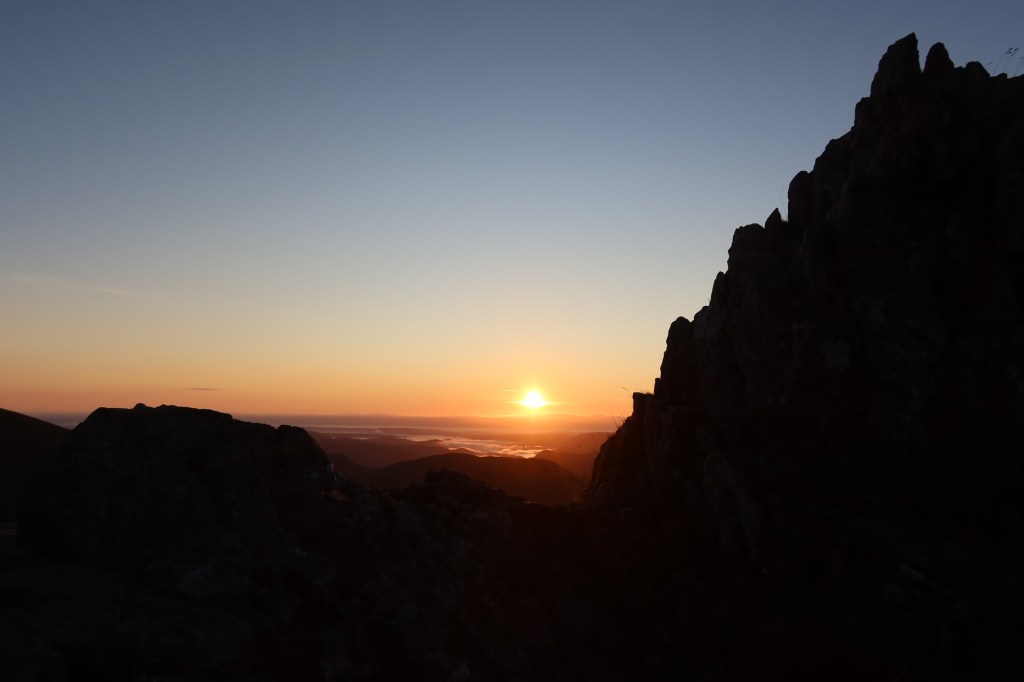
Striding Edge is arguably one of the most coveted routes for the adventurous Lakeland walker. It has every ingredient needed for a memorable day out in the English mountains – heart-in-your-mouth rocky terrain, mega exposure and in a setting which is postcard perfect. As if that wasn’t good enough, the summit happens to be one of the four highest in England with views on a clear day stretching to southern Scotland.
But with that sort of gravitas, you can’t help but wonder, what’s the catch? All sounds a bit too good to be true, right? Here are my thoughts on the ridgline (or should that be Edgeline?!) and how to manage it’s challenges, as a qualified Mountain Leader. The accompanying YouTube video is, as always, at the bottom of the article.
How fit do you need to be?
It’s less a question of physical fitness, and more a question of the mental fitness to cope with exposure (drops on both sides) and tricky terrain. If you suffer vertigo, of any kind, I strongly advise you not to attempt the route. Yes there’s a path which shortcuts ‘the tricky bit’ but actually the last part of the route, leading to the summit, involves some really challenging and steep rocky terrain. It’s not a good idea if you’re anxious of heights or scared of steep rocky ground. This sort of anxiety can perhaps be overcome in small stages over a long period of increasing exposure but tackling Striding Edge head on is I think not the best way!
How hard is the scrambling?
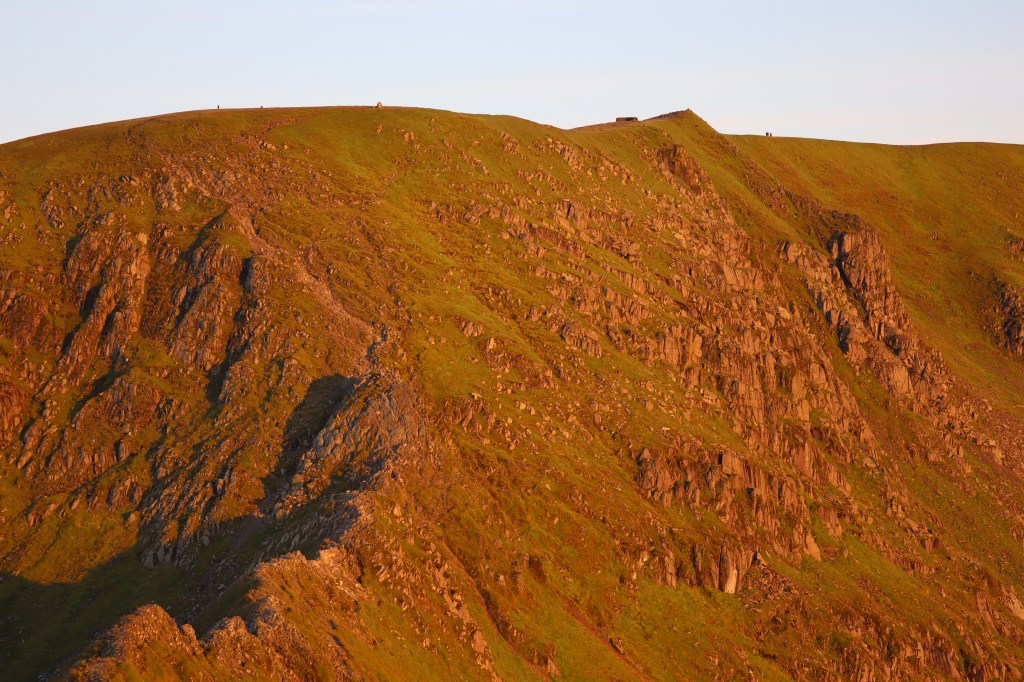
There are two sections where you need to slow down and watch what you’re doing. But my main advice is about paying attention to your foot placements. Watch my video at the bottom which covers the hardest bit of the route in detail with tips and advice. The handholds and footholds are all excellent, but the trick is to slow down, watch your feet, breathe calmly and keep moving. If in doubt, hire a mountain leader for the day who will be happy to show you some easy ways of handling the toughest sections.
What kind of weather do you need?
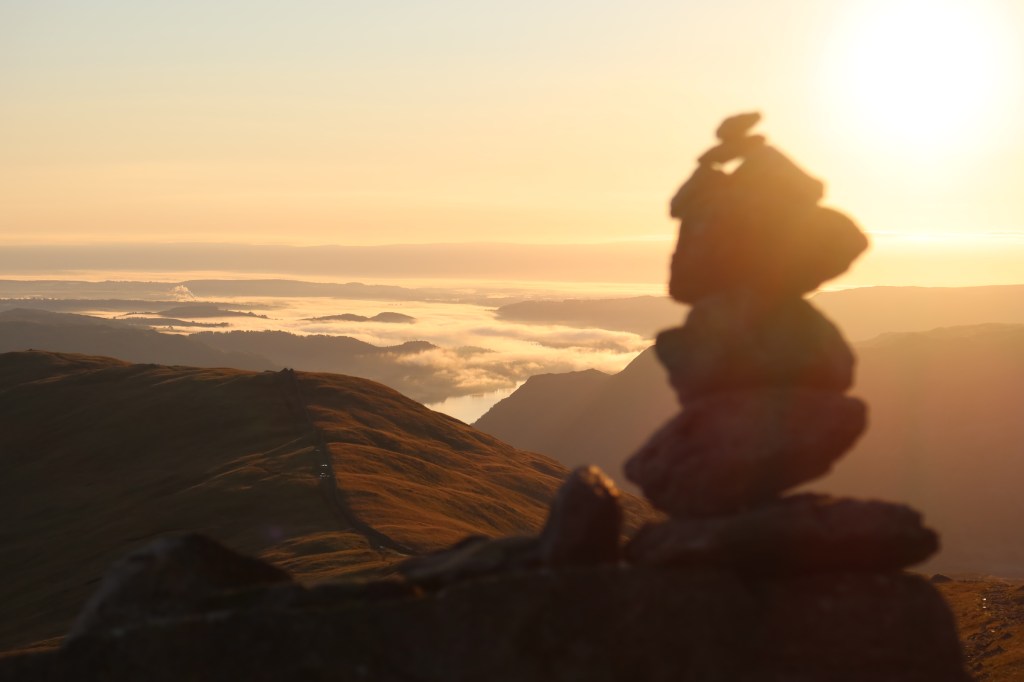
Windspeeds of 25mph or less basically. If it is wet and windy, it’s probably the worst choice of route you could pick for the day. I purposefully waited for a very dry, calm morning with excellent conditions for the filming and you should do the same. I think people have a tendency to ‘have a go’ as they are on holiday and can see lots of other folks doing it. This is how accidents happen. If in any doubt, don’t try it. There’s literally hundreds of other excellent routes and peaks that you can do in the surrounding area instead!
Should I do it coming down or going up?
The vast majority of people seem to enjoy going up Striding Edge, and then hiking down Swirral Edge (also a Grade 1). This makes the scramble section on Striding Edge much trickier in my opinion as you have to down climb something with a pretty serious drop if you get it wrong.
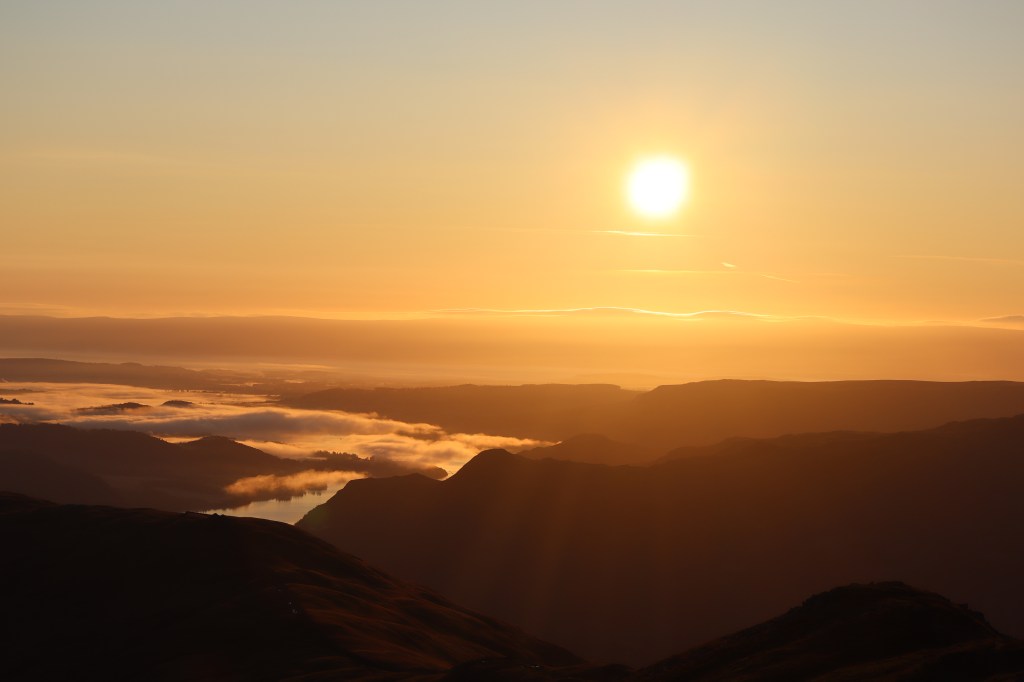
I personally find it much easier in descent, where you climb the tricky section upwards. However if you do this, be mindful that you will be going against the flow of ‘oncoming traffic’ so to speak, and this causes risks too. One simple and excellent way to avoid hanging out for ages waiting for folks come past you is to start out really early with a great forecast. My personal top advice is to aim to summit Helvellyn for sunrise by any other route than Striding Edge or Swirral Edge, and tackle the Ridgeline in descent when there are very few other people around. I did this literally just before making the video below and it was one of my best experiences in the English mountains. A superb start to the day!
What should I take with me?
A light, small pack with the bare essentials. You want to be moving light and efficiently to fully reduce the risks. If you choose the best conditions possible, you’ll need a light fleece for the summit, water, food, sunglasses, suncream, phone, small first aid kit, a dry sense of humour and a sweet treat for the trig point to celebrate. Oh, and a map and compass too. As a guide, I would suggest a pack no larger than 30 litres. If you usually use walking poles (I always use them) keep them on the side of your rucksack for this route as they can prove to be the causes of trips and falls if they get snagged on cracks in the rocks.
 leadforaliving.co.uk
Leave a comment