
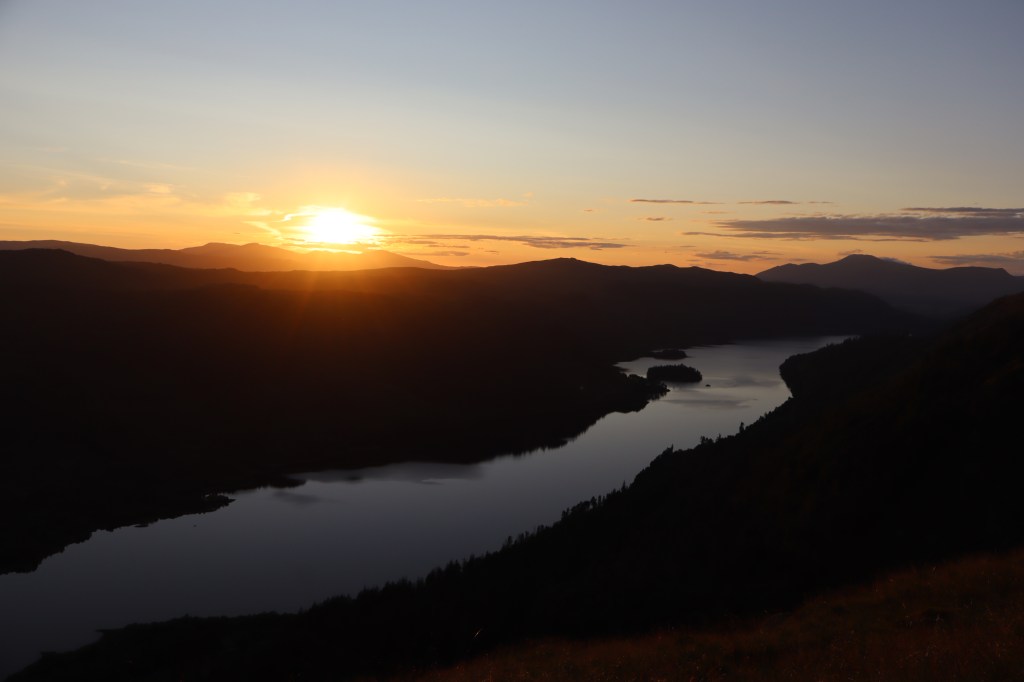
There’s noting that beats getting some great photos from your mountain adventures. But how do you give yourself the best chance of getting some great shots? Here are my top tips, using Helvellyn in the Lake District as an example. Scroll down for a YouTube video too!
- Recce the route
I can’t emphasise this enough. Plan a route that takes in the mountain summit of your choice (it can be any route really, as long as you get a decent amount of altitude) and then go out and hike it. You need weather conditions suitable for the walk (not too windy, and not zero visibility) as you are hoping to get a feel about which locations might make for a good view.
2. Time how long it takes you to get to a good location
You should make a note of the time you start out, and the times at which you get to potentially great photo opportunities. This will help you later if you decide to either walk straight to the site of the shot, or bivvy nearby somewhere first.
3. Wait for a great weather forecast
To get great photos, most of the time in landscape photography you need great light. That comes from either a calm, clear weather forecast or a dramatic series of light intrusions from stormy weather. I wouldn’t start with the storm stuff yet though – look for a forecast which shows a clear, cloudless night with low wind speeds and a clear start to the day. This will provide you with ideal conditions.

4. Arrive early to the site you want to photograph
If it is a sunset shot, with the sun going down at 9pm, arrive at 8pm. Bring warm clothing and some snack and wait for the show to start. If it’s a sunrise shot, you want to be ready for about 15 mins before sunrise when the colours in the sky begin to look amazing, and then for up to one hour after you first see the sun appear on the horizon. These times are called the ‘Golden hours’ in landscape photography. The sunrise ones are sometimes the hardest to capture as they require a very early start and usually a fairly uncomfortable night somewhere. Both sunrise and sunset shots also take a lot of research and work beforehand but it will pay off.

5. Take a lot of shots on different lenses if you have them
I’m not talking ‘point and shoot’ here. If you’ve taken the trouble to scout out the site, bivvy, work out weather conditions etc etc then you’ll want to have more than your mobile phone with you to capture the shot! Use a manual focus setting if you have one as this will cut out the auto focus setting on most cameras which can struggle with sunrise compositions. I have been advised by the ‘smart’ tech in my camera to turn the flash on at sunrise for example! Not ideal.
Play with framing the light as it rises. Move around if you can – different perspectives look great in the early light. I remember being stood on the summit of Helvellyn at 5am, waiting for the 5.12 am sunrise, with about 50 other people there too. To get unique shots, you therefore have to capture photos in places where nobody else is going or moving. This is why I decided to descend Striding Edge as the sun rose.
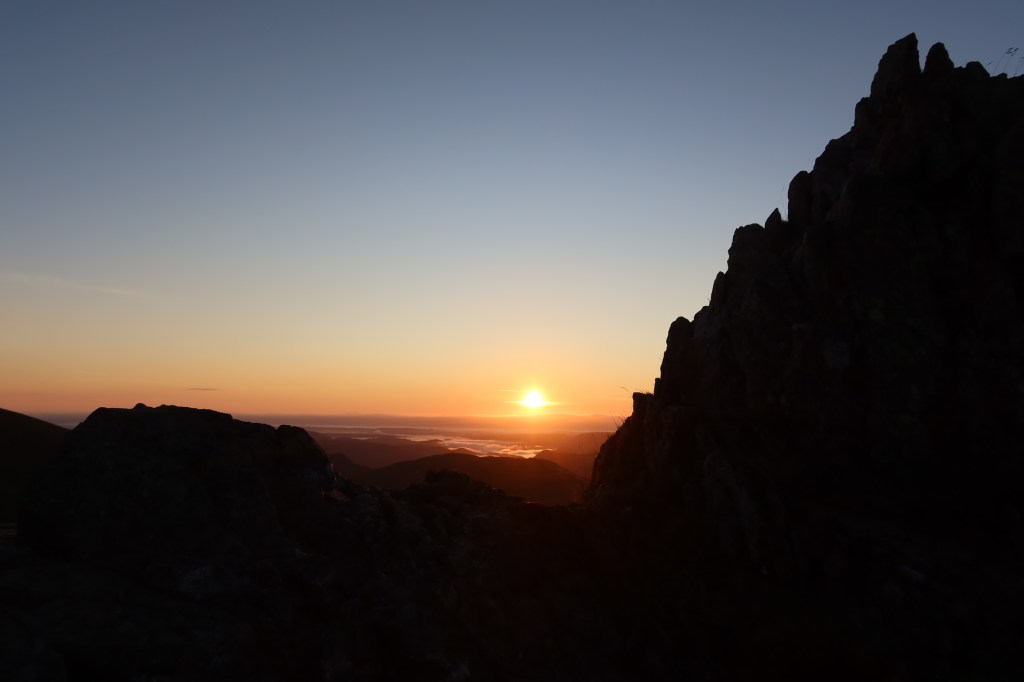
Ultimately, to get different shots and the best chance of something you can be proud of, you need to combine photographic skills (scouting, forecasting, learning how to use your camera) with mountain skills (confidence on tricky terrain, navigation, keeping warm in cold weather, being mountain fit enough to walk quickly to get great shots when needed etc).

 leadforaliving.co.uk
Leave a comment